

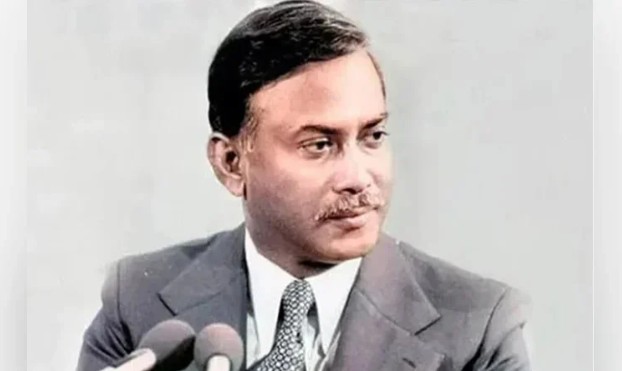
Ziaur Rahman introduced multi-party democracy and built a culture of tolerance in politics. He restored fair elections and reduced conflict in public life. Unlike past leaders, he started his political work from villages, linking politics with social and economic development.
He gave equal importance to rural areas and cities. Village development became the base of national growth. His government expanded irrigation, dug canals, improved roads, provided electricity, ensured fertilizer and seeds, and strengthened rural security. He also introduced local governance through the Village Government and Village Defence Force to bring people into administration, with special focus on women and youth.
After independence, Bangladesh’s economy was weak and chaotic. Centralised socialist policies failed. Industries were nationalised, parties were banned, and a one-party system was introduced. Corruption, mismanagement, shortages, and inflation grew. The 1974 famine exposed major failures, caused mainly by poor management.
Faced with crisis, Ziaur Rahman chose a new path. He opened politics and liberalised the economy while keeping state control. This “state-guided free market” policy worked. Prices fell, supplies increased, and growth improved. Agriculture, especially rice production, expanded. Mills and industries grew in both public and private sectors.
He aimed for fair wealth distribution, equal opportunity for men and women, higher exports, and better living standards. His vision was a production-based economy.
Ziaur Rahman also followed an environment-friendly development policy suited to the Bengal Delta. During his rule, about 26,000 miles of canals were dug. These improved water flow, helped farming, stored water in dry seasons, and protected nature at low cost. He promoted social forestry and suggested planting fruit trees along roads and paths, helping both the environment and people’s nutrition.
For the first time, a national leader worked directly with common people in fields and canals. He cut canals with villagers, sat with them, and shared meals. This close bond with the people became the foundation of his politics and leadership.

