

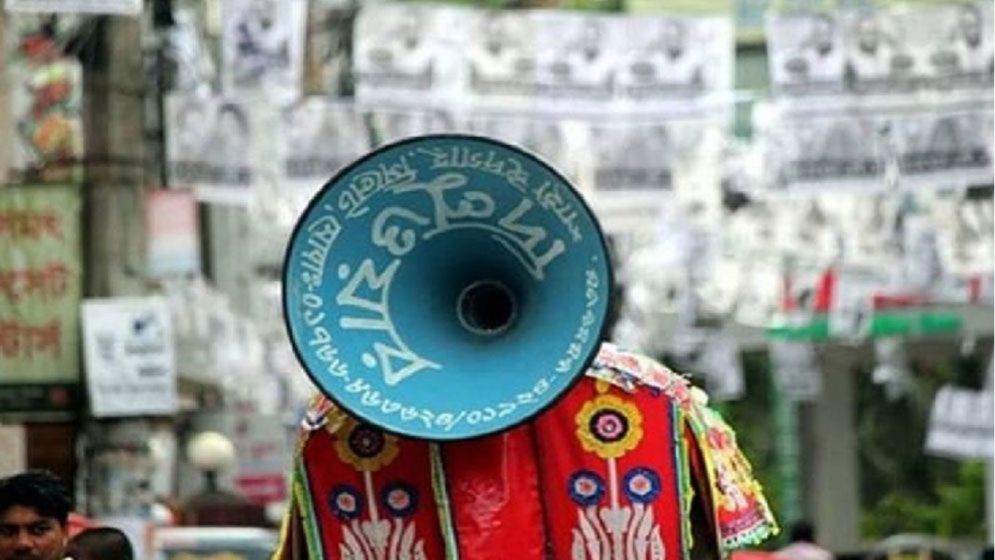
With election fever sweeping the country, all eyes are now on 12 February, a day set to witness two major political exercises at once. Voters will cast their ballots in the 13th national parliamentary election and participate in a referendum to determine the outline of a new constitution.
Campaign activities are now in full swing across neighbourhood streets and digital platforms. This year, however, electioneering has taken a markedly different form, as the Election Commission (EC) has introduced major revisions to the Representation of the People Order (RPO) and the Code of Conduct, combining new approaches with stricter restrictions.
Under the “Code of Conduct for Political Parties and Candidates 2025,” candidates must adhere to strict guidelines throughout the campaign period. The EC has guaranteed equal rights for all candidates but has drawn clear boundaries for permissible activities.
Obstructing rival rallies, processions, or campaign activities, intimidating voters, or causing disorder is strictly prohibited. Campaign programmes must be notified in advance to authorities to coordinate schedules if needed. Rallies or meetings that disrupt public movement are banned, and campaigning outside the country is completely forbidden.
Rules on Posters, Banners, and Leaflets
The EC has imposed strict restrictions on printed campaign materials. Use of non-biodegradable materials, including polythene, plastic, or rexine, is prohibited. Posters, leaflets, or festoons cannot be placed on walls, trees, electric poles, or vehicles. Except for electronic and digital media, all banners and festoons must be black and white.
Banners cannot exceed 10 feet by 4 feet, and festoons must be limited to 18 inches by 24 inches. Only the candidate’s own photograph and electoral symbol may appear—no images of others are allowed. Writing or drawing campaign messages on walls is forbidden, as is constructing gates or arches. Candidates are barred from placing their materials over those of rivals or damaging other campaign materials.
Restrictions on Transport and Processions
The use of trucks, buses, watercraft, or motorcycles for rallies, public meetings, or showdowns is prohibited. Torch processions are completely banned. Party chiefs or general secretaries may use helicopters for travel, but throwing leaflets from helicopters is not allowed.
Billboards may be used, but each must not exceed 16 feet by 9 feet. Alternatively, one billboard per union or ward is allowed, with a maximum of 20 per parliamentary constituency.
Digital Campaigning and AI Rules
In digital campaigns, the use of artificial intelligence (AI) to distort appearances, spread misinformation, or incite hate is punishable. Election-related content shared on social media must be verified for authenticity. Candidates and their agents are required to submit their social media account details to the returning officer before campaigning begins.
Candidates are also instructed to avoid personal attacks, obscene remarks, or actions that could harm women, minorities, or religious sentiments. Campaigning is strictly prohibited in places of worship—including mosques, temples, churches, and pagodas—as well as in educational institutions.
Use of Loudspeakers
The use of loudspeakers or microphones is permitted only from 2pm to 8pm, with a maximum of three devices at a time. Sound levels must not exceed 60 decibels.
Voting for both the parliamentary election and the referendum will be held on 12 February from 7:30am to 4:30pm using ballot papers and transparent ballot boxes. Campaigning officially began on 22 January and will continue until 7:30am on 10 February.
This new framework is aimed at ensuring a fair, orderly, and peaceful election process while minimizing disturbances to daily life and safeguarding the integrity of the electoral process.

