

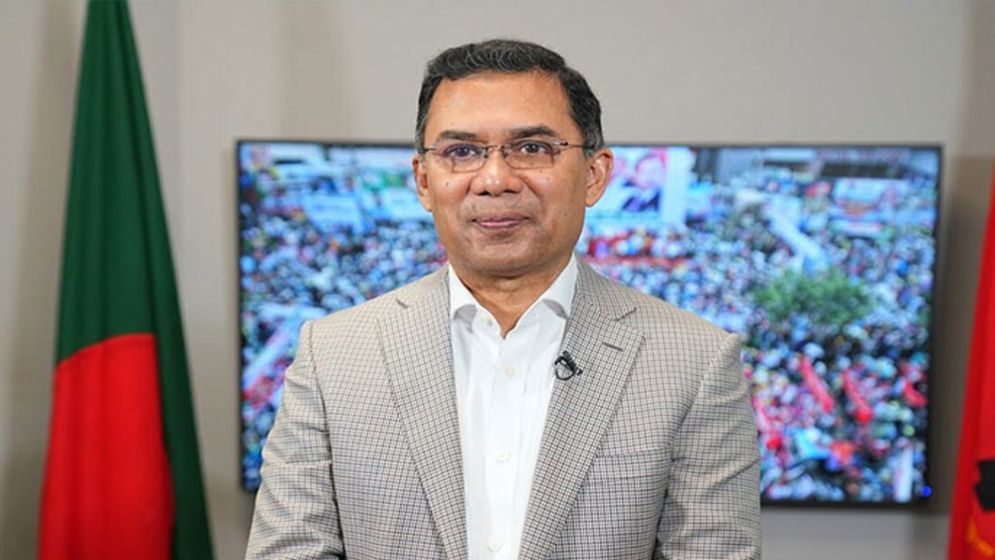
Tarique Rahman has led the Bangladesh Nationalist Party to a record victory in the 13th national parliamentary election, continuing the party’s legacy under his father Ziaur Rahman and mother Khaleda Zia.
In the latest election, Tarique Rahman guided the party to an even stronger mandate in his first contest as chairman.
Authorities detained Rahman in 2007 during the army-backed caretaker government and kept him in prison for 18 months. He secured release on Sept 3, 2008, and travelled to London for medical treatment days later. He returned to Bangladesh shortly before the election and faced personal tragedy with the death of his mother, former prime minister Khaleda Zia, on 30 December.
Despite the bereavement, Rahman took charge of BNP’s nationwide campaign. He contested two constituencies — Dhaka-17 and Bogura-6 — and won both with record margins. He travelled extensively across the country and campaigned for party candidates in most regions.
The victory gives BNP an absolute majority in parliament and paves the way for Rahman to assume office as prime minister for the first time. His rise marks a rare moment in Bangladesh’s political history, as a relatively young leader has steered a major party to power while coordinating much of the campaign from abroad.
During the campaign, Rahman emphasised discipline within the party. He removed around 7,500 leaders and activists over allegations of misconduct and warned members against any unlawful activity. Party officials say he maintained strict organisational control despite political tensions and provocations from rivals.
Rahman also outlined a 31-point reform agenda focused on economic growth, employment and social protection. His proposals include family cards, farmer cards and health cards aimed at strengthening welfare delivery and boosting the economy. Upon returning to the country, he declared: “I have a plan, I have a dream,” a slogan that resonated strongly with supporters.
He also backed humanitarian initiatives through a platform known as “Amra BNP Poribar”, which provides assistance to families in distress. On the eve of the election, he inaugurated an animal hospital in Banani, underscoring his engagement in social welfare activities.
With a landslide victory under his leadership, Rahman has positioned himself at the forefront of national politics and now prepares to form the next government.
BNP first contested a parliamentary election on 18 February, 1979, under President Ziaur Rahman and won 220 seats. Under Khaleda Zia, the party secured 140 seats in 1991, 287 seats in the February 1996 election, 116 seats in the June 1996 polls and 193 seats in 2001.

